
Match the existing cluster
Same processor family, memory per core and interconnect as current nodes where possible.
Rack · tower · GPU servers · enterprise storage
Price Beat Promise: show us a lower written quote and we will beat it
Every configuration confirmed in writing
Industry
Research groups need compute that matches their grants and their science: clusters of identical nodes, accelerator servers for machine learning, and storage that keeps datasets close. We source each through Dubai, coordinate the export review that accelerators require and provide the documentation procurement offices ask for.
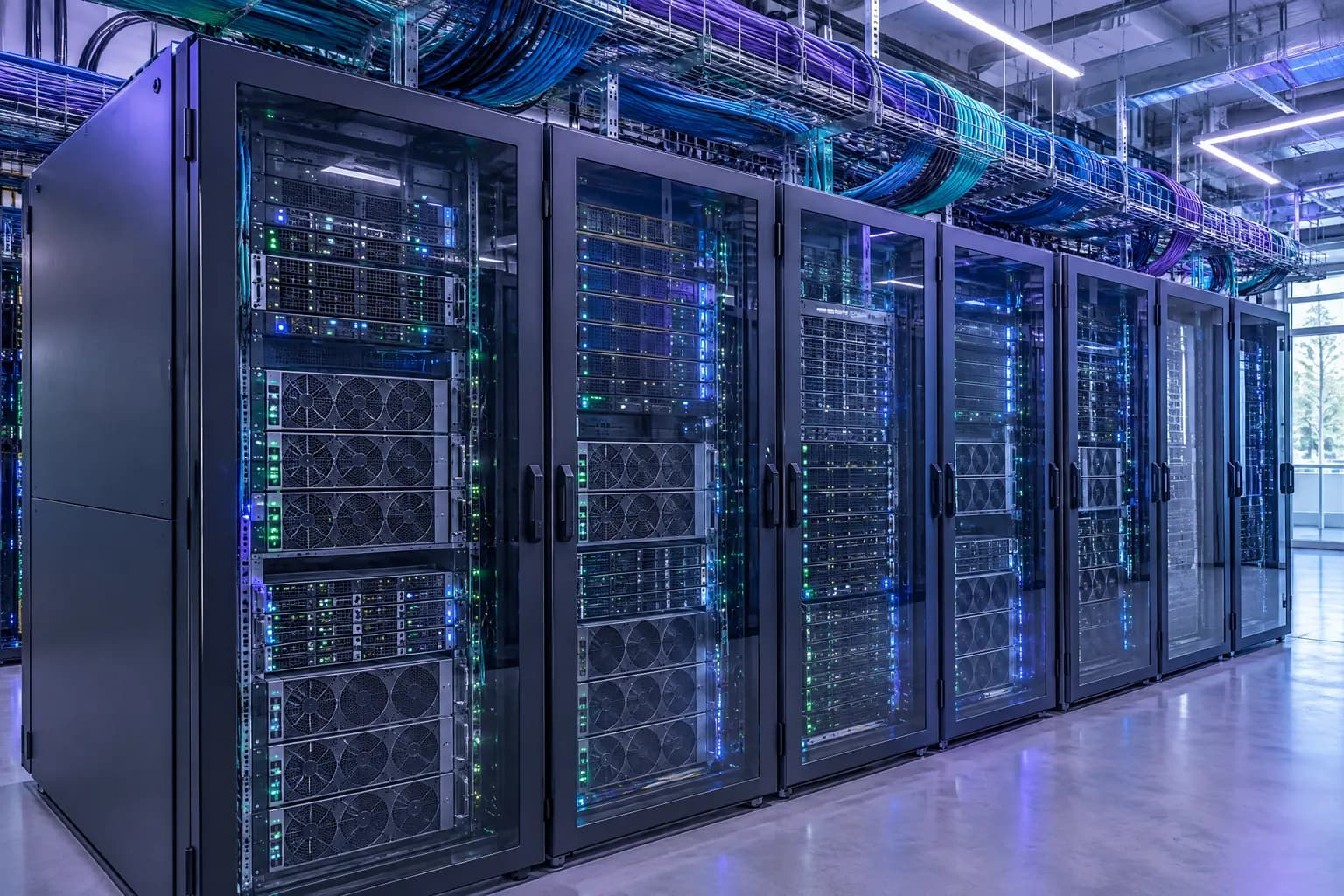
University computing usually grows in steps, each tied to a grant or a new group. That makes consistency valuable: adding nodes that match the existing cluster keeps the scheduler, software stack and spares simple. We can quote nodes that match what you already run, or a fresh platform with a clear upgrade path.
Machine-learning research has made accelerator servers a common request. They need careful power and cooling planning, and many are controlled items under export rules. We collect end-user and end-use statements, screen each request and tell you early if a configuration needs a licence or cannot be supplied.
Data grows faster than compute. Plan storage alongside the servers, with fast NVMe for active work and large nearline arrays or JBOD shelves for datasets and archives.
What we confirm on research computing orders.
Same processor family, memory per core and interconnect as current nodes where possible.
End-user and end-use statements collected early, with honest answers on what can be supplied.
Scratch NVMe in nodes plus shared storage sized for datasets and retention rules.
Line-by-line specifications and the documents procurement offices and auditors expect.
Lines to include in a research request.
The same four checkpoints keep the sample, contract and commercial lot aligned.
We confirm workloads, room limits and, for accelerators, complete the export screening.
Suppliers confirm nodes, accelerators and storage, and we issue one written quote.
Nodes are burned in, accelerators stress-tested and records kept per serial.
Specifications, serial lists and test logs accompany the shipment for procurement and audit.
Possibly, depending on the accelerator, the destination and the end use. Universities are not automatically exempt from export controls, so every request is reviewed first.
Send the configuration of your current nodes and we look for matching or compatible platforms, including refurbished units of the same generation.
Send the models or specifications, quantities, condition, destination and timeline. Our sourcing desk checks availability with suppliers and replies with written options.